Syria

From Palmyra to Damascus — Where History Lives, Explore the Legacy.

About Syria


Syria is a country located in the heart of the Middle East, with a strategic position connecting Asia, Europe, and Africa. Its capital, Damascus, is one of the oldest continuously inhabited cities in the world. Syria is known for its cultural and religious diversity, as well as its rich history that spans thousands of years.

Syria has a population of over 20 million people, comprising diverse ethnic and religious communities, including Arabs, Kurds, Armenians, Assyrians, Muslims, Christians, and Druze. This diversity has greatly influenced Syria’s rich cultural heritage and traditions.

The country’s landscape is equally diverse, ranging from coastal plains and fertile valleys to vast deserts and rugged mountains. Syria's strategic location made it a crossroads of ancient civilizations, contributing to its role as a cultural and commercial hub throughout history.

Syrian History & Culture


Syria is often described as the cradle of civilization, with a history that stretches back over 10,000 years. It was home to some of the earliest human settlements and has been the birthplace of many great civilizations, including the Sumerians, Akkadians, Arameans, Assyrians, Greeks, Romans, Byzantines, and Islamic Caliphates.

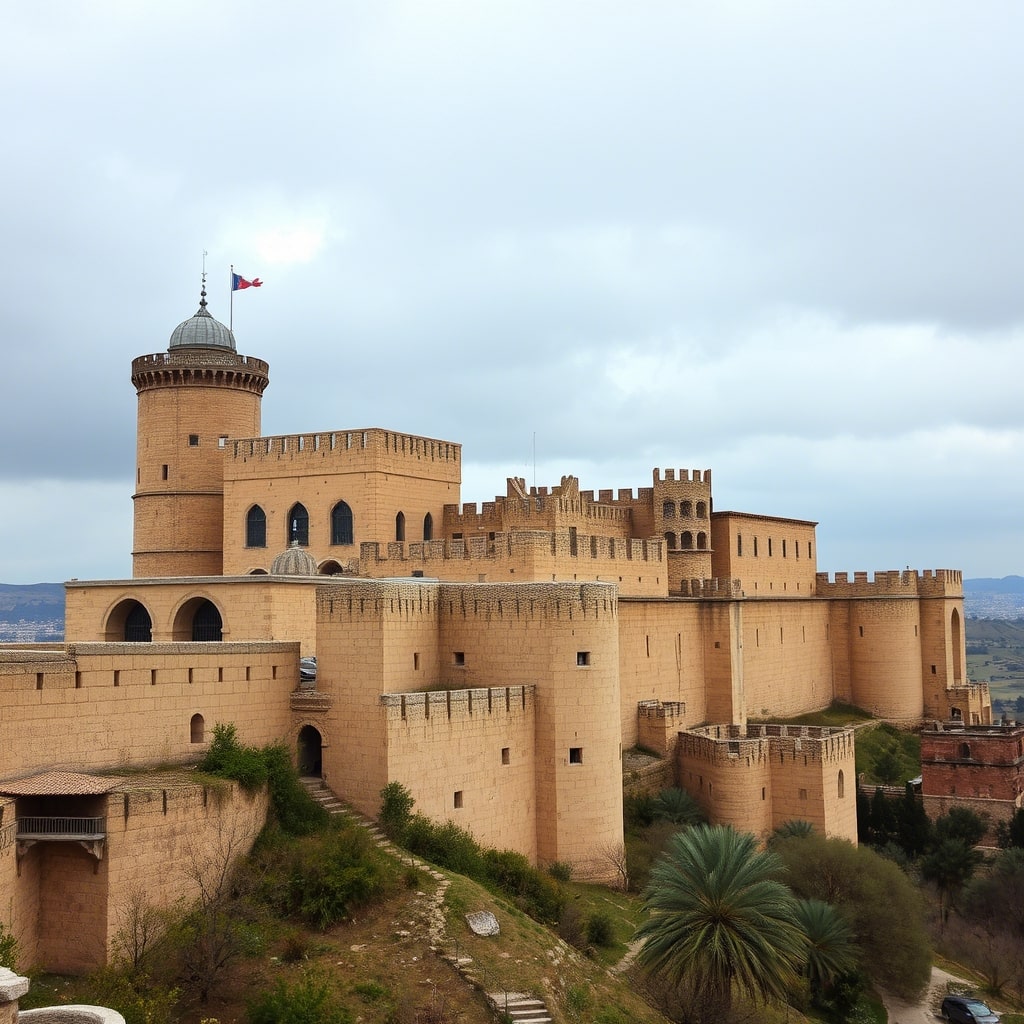
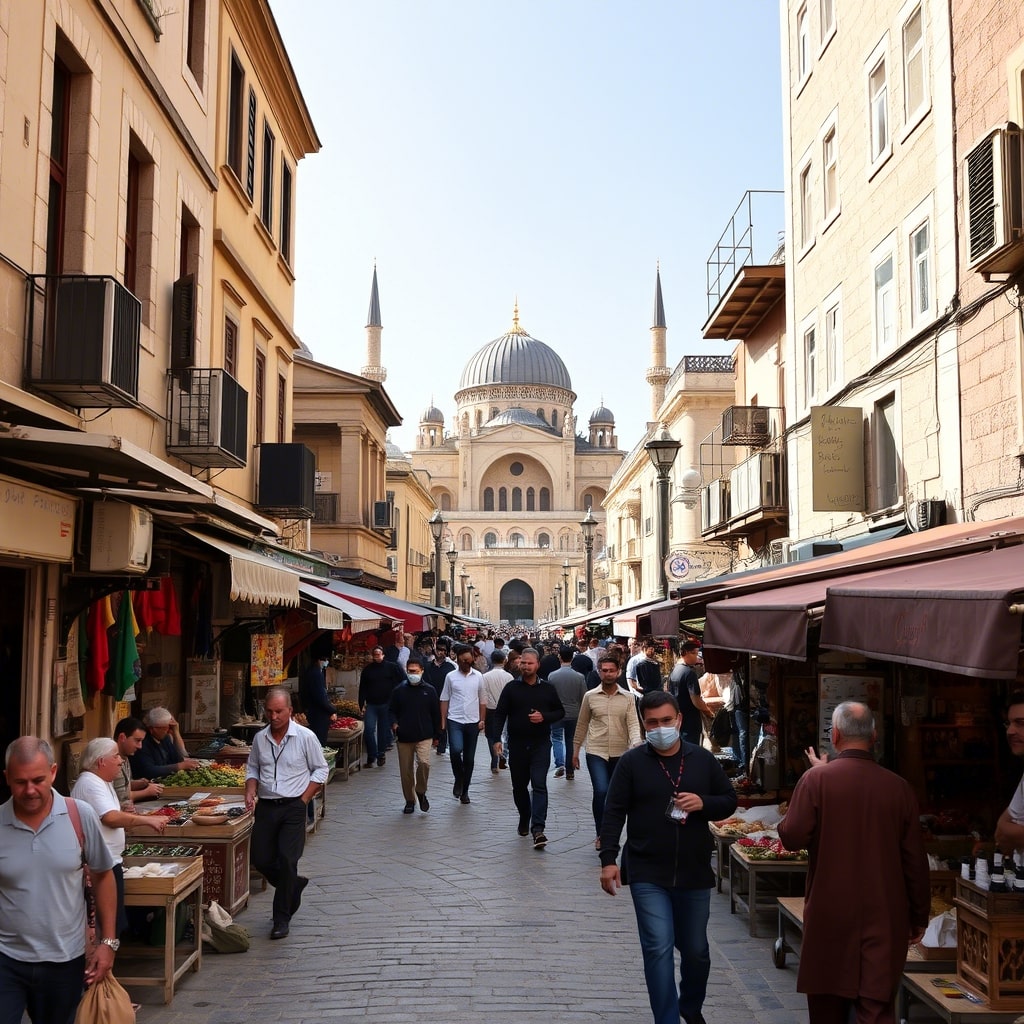
Syria’s cultural landscape reflects this deep and layered history. From ancient ruins and medieval castles to Ottoman-era souks and mosques, every corner tells a story. The country has also made significant contributions to literature, poetry, music, and philosophy, influencing Arab and global culture alike.

Syrian culture is a vibrant blend of the old and new. Family, hospitality, and tradition play central roles in daily life, while music, dance, and storytelling are cherished expressions of identity and community.

Tourist Attractions in Syria


Syria is a land of breathtaking historical landmarks and natural beauty, offering a unique journey through time. Despite recent challenges, many of its iconic sites remain symbols of the country’s enduring legacy.Top places to visit:

  • Damascus – One of the world’s oldest cities, featuring the Umayyad Mosque, ancient markets like Al-Hamidiyah Souq, and traditional houses in the Old City.
  • Aleppo – Known for its historic Citadel, ancient covered markets (souks), and a rich architectural heritage that reflects centuries of cultural influence.
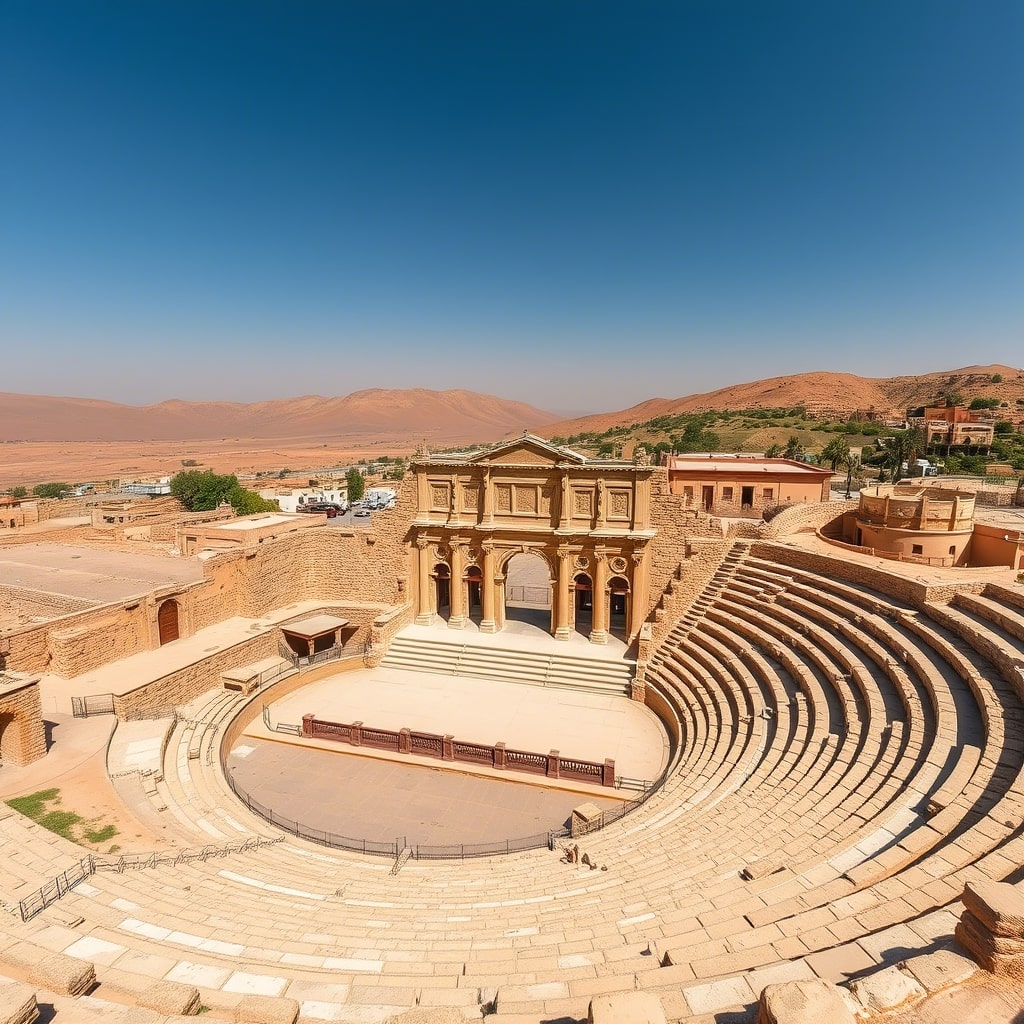
  • Palmyra (Tadmor) – A UNESCO World Heritage Site, once a vital trade center of the Roman Empire, with majestic colonnades, temples, and theaters rising from the desert.
  • Bosra – Famous for its remarkably well-preserved Roman theater made of black basalt stone.
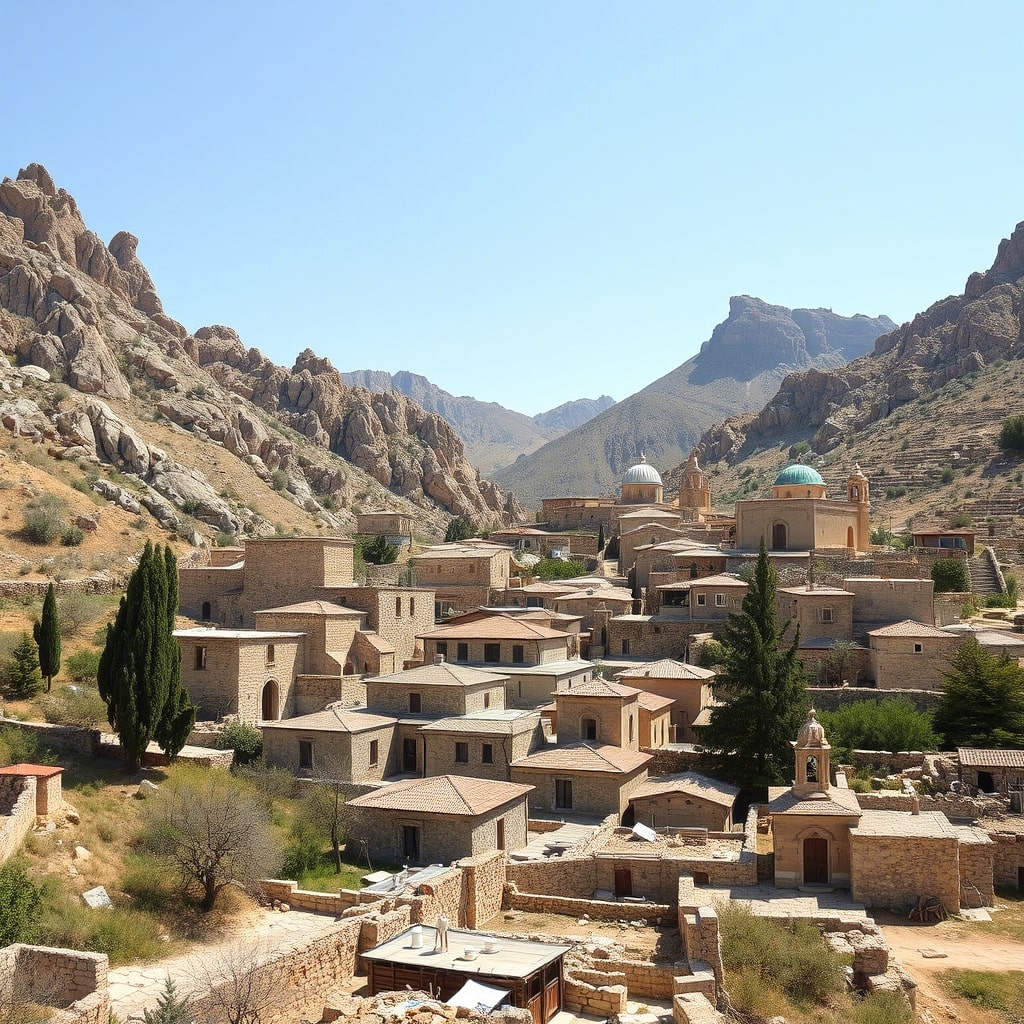
  • Ma’loula and Sednaya – Picturesque Christian towns in the mountains where Aramaic, the language of Jesus Christ, is still spoken.
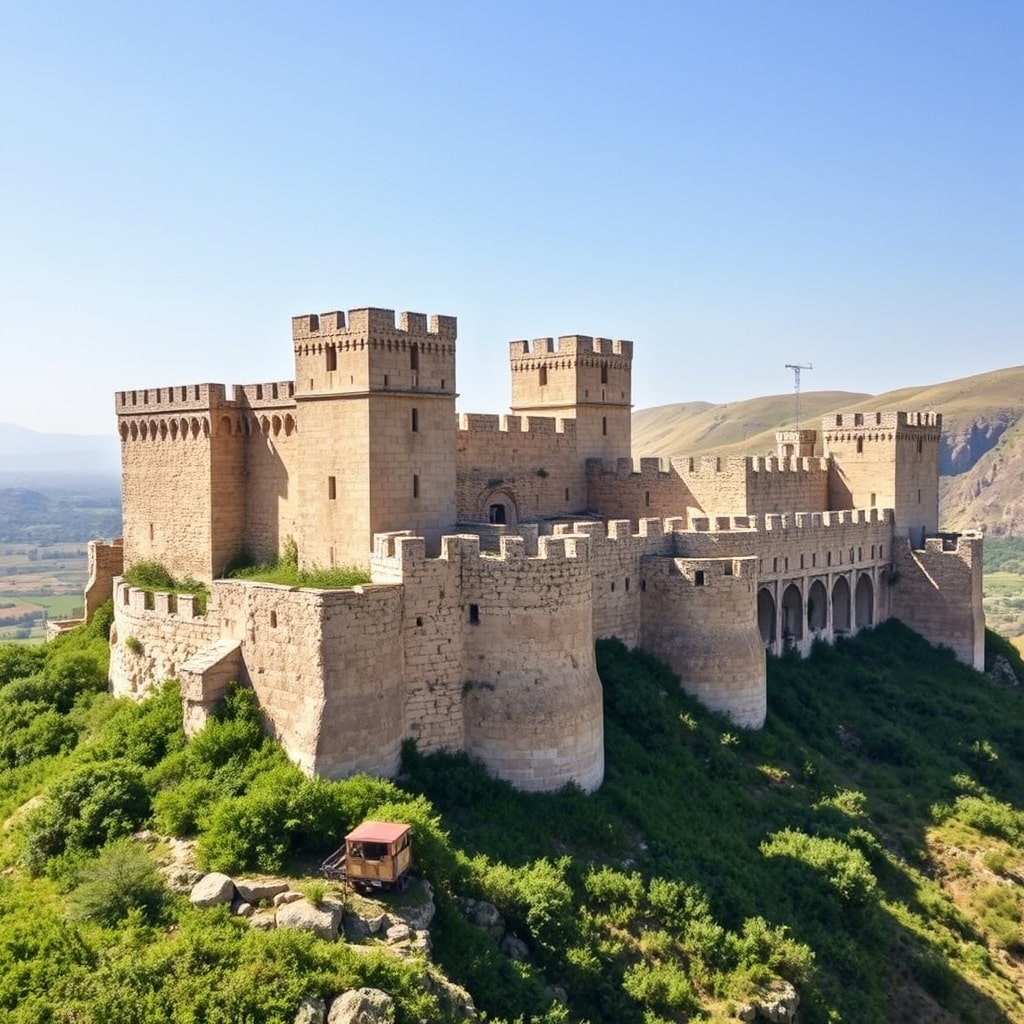
  • Crac des Chevaliers – One of the best-preserved medieval castles in the world, a testament to Syria’s Crusader-era history.

Syrian Cuisine


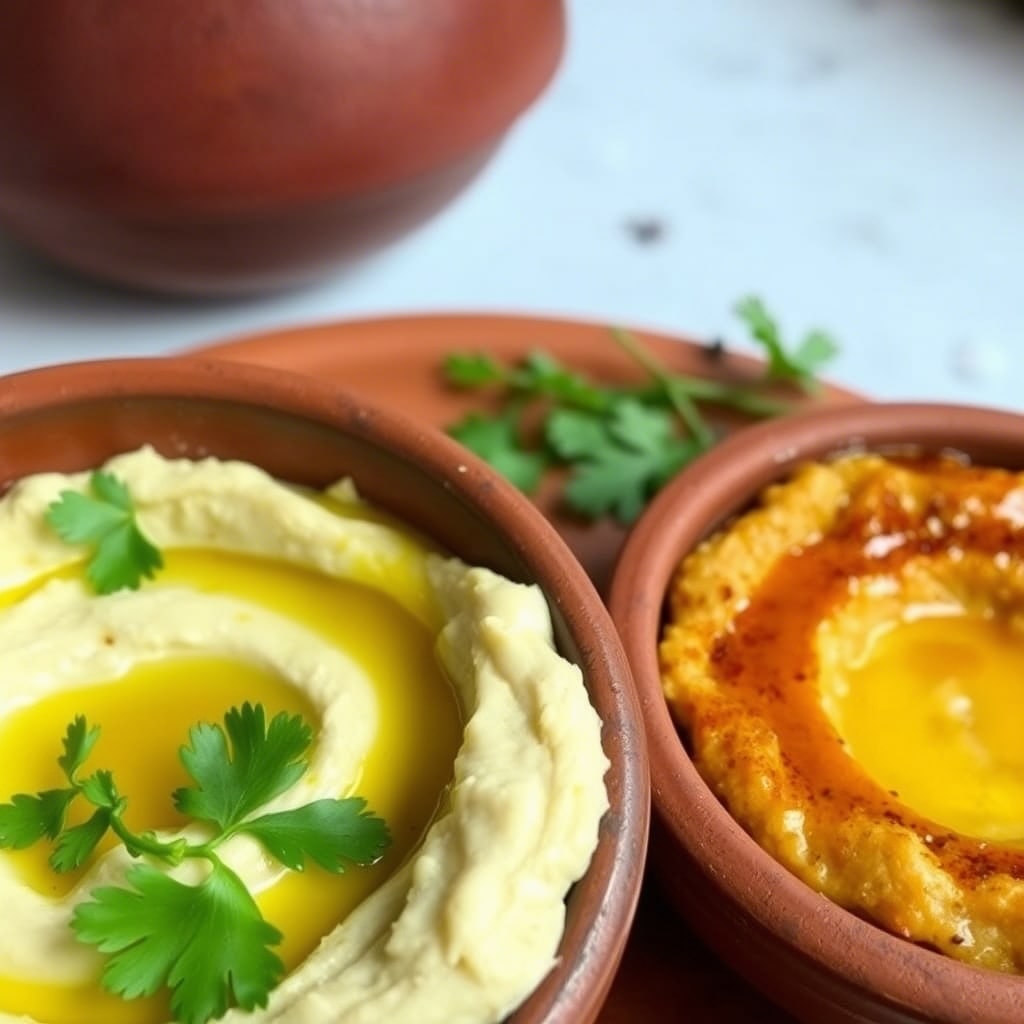
Syrian cuisine is one of the richest and most beloved in the Middle East, known for its bold flavors, fresh ingredients, and deep cultural roots. Meals are often shared with family and friends, emphasizing hospitality and generosity.

Popular dishes include:

  • Kibbeh: Bulgur and minced meat dish.
  • Tabbouleh: Parsley and bulgur salad.
  • Fattoush: Salad with crispy bread.
  • Hummus & Baba Ghanoush: Creamy chickpea and eggplant dips.
  • Shawarma: Spiced meat wrap.

Art & Folk Culture


Syrian art is a reflection of the country’s deep historical and cultural roots. Traditional arts such as calligraphy, mosaic work, and Damascene embroidery showcase the craftsmanship passed down through generations.

Music and dance play a central role in Syrian life. Dabke, a lively group dance, is performed at weddings and celebrations. Classical Arabic music, as well as the traditional oud and qanun, remain essential parts of cultural gatherings.

Storytelling is another cherished tradition. In old cafés of Damascus, hakawatis (storytellers) once captivated audiences with epic tales and folklore. television dramas, especially historical and social series, have also gained popularity across the Arab world.

Folk festivals, traditional dress, and handicrafts like brassware, glassblowing, and carpet weaving continue to celebrate Syria’s rich cultural identity.

Economy & Technology


Syria’s economy has historically relied on agriculture, trade, industry, and tourism. The fertile lands of the Euphrates valley and the Mediterranean coast have long supported the cultivation of wheat, olives, cotton, and fruits.

Before the conflict, Syria had a growing industrial sector, producing textiles, food products, and pharmaceuticals. Tourism also played a major role, with millions visiting its historic cities and cultural landmarks.

In recent years, the economy has faced significant challenges due to conflict and sanctions. However, there have been efforts toward rebuilding, supporting local businesses, and promoting digital entrepreneurship.

A new generation of Syrian youth is engaging in technology, startups, and remote work, contributing to innovation and creating new opportunities despite limited resources. With time and stability, Syria holds strong potential for economic recovery and modernization.